|
|||||||||||
Blog TagsBlog Archive
Subscribe!Search This Site: |
09/08/2009 - 6:12pmExecutive Office of the President signals interest in ratifying Law of the Sea TreatyPosted by Vinay Orekondy
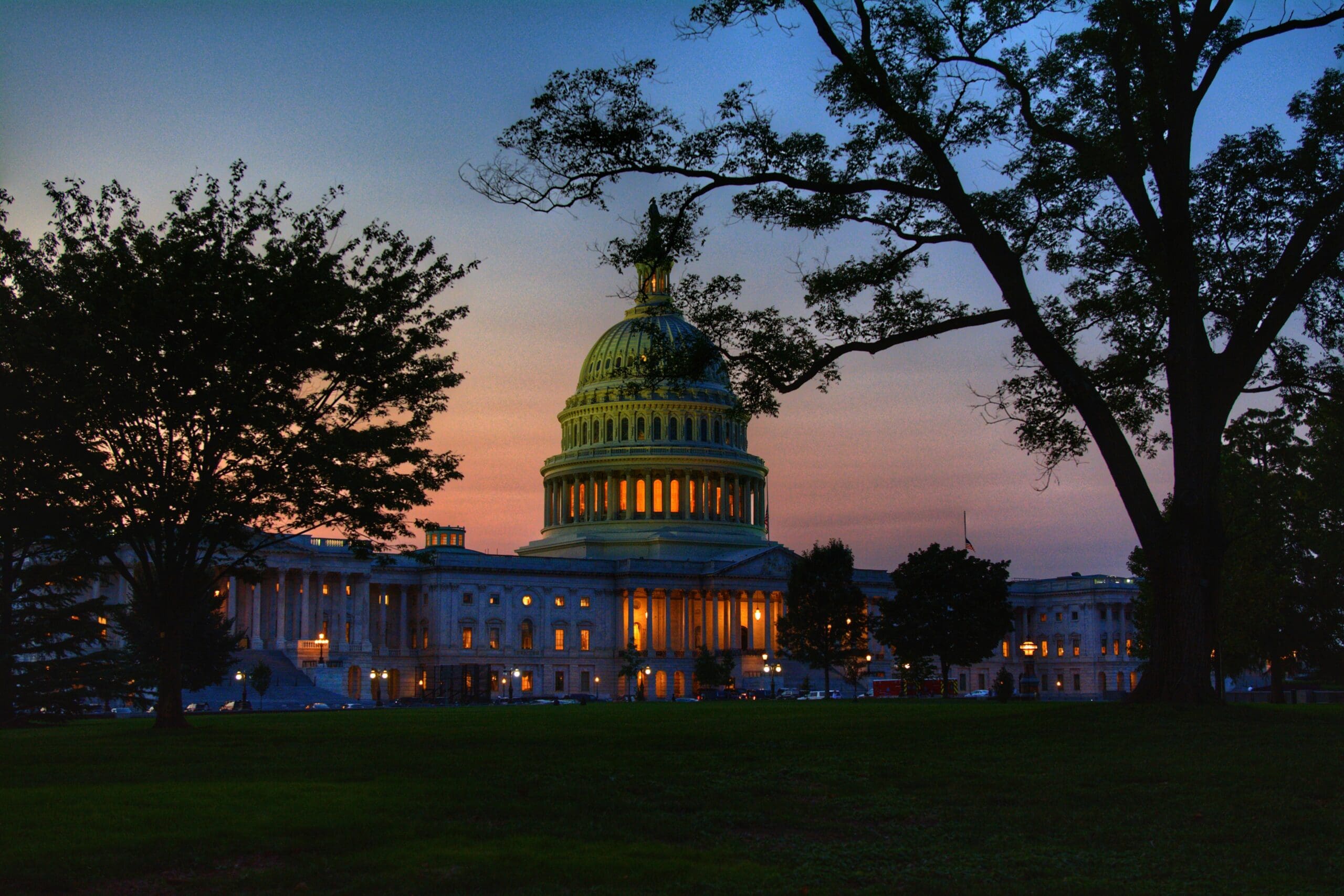
This weekend, the Executive Office of the President sent its first signal of support for US ratification of the Law of the Sea Treaty. Council on Environmental Quality Chair Nancy Sutley, joined by National Oceanic and Atmospheric Administration Administrator Jane Lubchenco and Coast Guard Commandant Adm. Thad Allen published an article in the Seattle times on the topic of stewardship of the Oceans in which they strongly endorsed the ratification of the treaty: "We strongly support ratification of the U.N. Convention on the Law of the Sea. The oceans have been called, "the last global commons," and their sustained global health can best be maintained by a stable, universally accepted convention that promotes the key interests of the United States, its allies and its trading partners. Ratification would ensure our ability to participate in interpreting and applying the convention to the changing realities of the global maritime environment and preserves our ability to protect our domestic interests, including our extended continental shelf claims." In justifying their support for the treaty, they go on to talk about burgeoning economic and research opportunities for the United States in the Arctic / near Alaska. The best way to promote and maintain U.S. interests in those areas is by agreeing to a globally agreed standard on their use, as is contained in the Law of the Sea Treaty. The article also emphasized that American involvement in the region will be a long-term exercise, so it was critical to have governance agreements on long-term issues such as the sustainability of the area, as well as agreements concerning safety and research-sharing. The Law of the Sea Convention would provide a framework for such agreements. Tags:
06/30/2009 - 1:28pmA Window of Opportunity: The U.N. Convention on the Law of the SeaPosted by Lydia Dennett
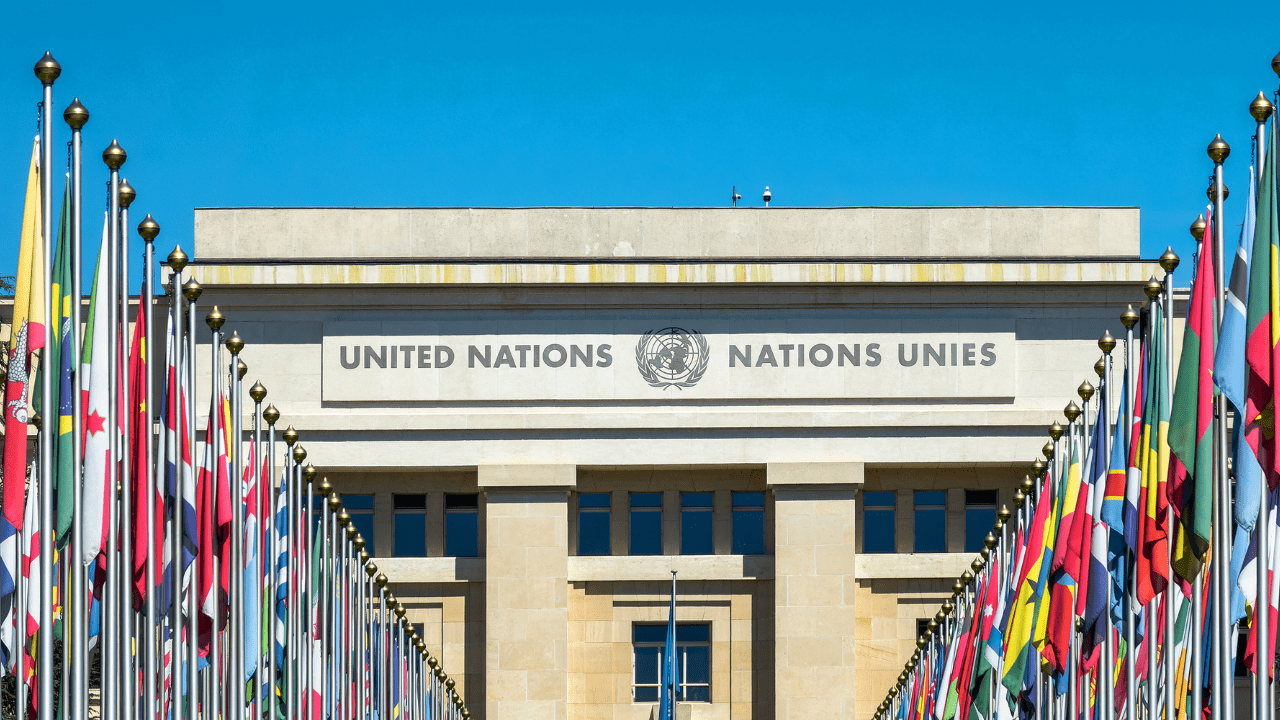
Dr. John T. Oliver has published a new paper describing the history and benifits of the United Nations Convention on the Law of the Sea. He goes into great detail regarding why now is the time for the U.S. to ratify this law. Oliver begins by presenting the history of the Law of the Sea, beginning with it's first negotiations from 1973-1982. He also lays out the basic things that the convention covers such as rights and obligations of coastal states, scientific research, and protection of the marine environment. 157 states have signed the convention yet the US has not. At one point in 1994 the US came close to ratifying the Law of the Sea after President Reagan identified many provisions that needed to be changed. However the Senate has never had a full vote on the convention. Oliver then goes on to discuss the many ways that the Law of Sea benefits the U.S. One of the biggest is National Security. This law would provide resources necessary for fighting the global war on terrorism and protecting our military power overseas. As this is one of the most important issues for the United States it is surprising that this law has not been ratified. Oliver also discusses environmental and economic advantages as well as the war on drugs. The Law of the Sea would give the US territorial claims to the 200 nautical miles on its coast which would help the control of drug trafficking. While Oliver goes into great detail about the benefits of this law he also debunks some misconceptions about it. For instance the idea that this law would restrict our sea based military operations, yet this law would actually make available more space for the Coast Guard to run drills and operations The UNCLOS ensures safe international trade, and keeps the peace between many countries. As a political leader, the US needs to ratify this law in order to enhance their leadership in maritime affairs. The US cannot afford to be left out of important talks and decisions any longer. Take Action to support this Issue! Tags:
06/25/2009 - 2:35pmIt’s time to ratify the Law of the Sea TreatyPosted by Don Kraus
Yesterday Pew Charitable Trusts ran this ad in the Washington Post and Politico, showing once again that the Law of the Sea convention has the largerst, broadest, extremely odd-bedfellow group of supporters of any issue moving forward inside the Beltway. Where else can you see the American Petroleum Institute and the World Wildlife Fund sandwiching the likes of former Secretary of State Jim Baker, Lee Hamiliton, John Warner, the US Chamber of Commerce, Verizon, not to mention Citizens for Global Solutions. The ad gets right to the point: our security can't wait. Neither can our economy or our environment. It's great to see supporters coming together to speed ratification along. Pew is doing a great service and should be commended. In addition their new site, RatifyLawOfTheSea.org is an excellent resource. However, we are still waiting on word back from President Obama. As I have said before, the Senate is not likely to adopt any major treaty without presidential leadership in raising the issue and pushing it to the floor. President Obama, the ball's in your court. 06/04/2009 - 5:39pmOpen Letter to President Obama for World Ocean's Day: The Law of the Sea - Why Now?Posted by Don Kraus
Dear President Obama, I write to you to urge you to inaugurate World Oceans Day on June 8th by taking leadership and speaking out in support of U.S. ratification of the United Nations Convention on the Law of the Sea. The first ever World Oceans Day will focus global attention on the challenges facing our oceans. This day provides you with the ideal moment both to demonstrate American environmental leadership and to promote our country's security and economic interests. You have already indicated support for the Law of the Sea convention and your State Department has listed it on the Treaty Priority List for the 111th Congress. The question is not "if", but "when" you will urge the Senate to take action. At this moment we finally have the right Congress, certainly the right President, and broad support across all of the relevant sectors of our society. I believe now is the time for you to engage. Joining the Law of the Sea convention, widely supported on both sides of the aisle, would, to use your words, advance "the long tradition of bipartisan foreign policy that has been the hallmark of America...." The United States has not joined a major multilateral treaty since the Chemical Weapons Convention in 1997. Ratification of the Law of the Sea will demonstrate U.S. commitment to working cooperatively with the international community and prepare the ground for ratification of other important treaties, including the Comprehensive Test Ban Treaty, the Convention on Elimination of Discrimination in All Forms Against Women. As you well know, the Law of the Sea convention has been endorsed by prominent leaders ranging from former President George W. Bush and Alaska Governor Sarah Palin to U.S. Secretary of State Hillary Clinton, and by organizations ranging from the American Petroleum Institute to the World Wildlife Fund. However, the Senate is not likely to adopt any major treaty without your Presidential leadership in raising the issue and pushing it to the floor. This should be done before the August recess. The Senate will be busy with many competing priorities in the Fall. Delaying beyond that would put us into 2010, and we witnessed in 2008 how difficult it is to advance a multilateral convention in the highly political context of an election year. While there will never be a convenient time to engage in this issue, I cannot think of a more appropriate time to do so. Mr. President, by failing to ratify the treaty until now, we have prevented ourselves from taking advantage of its benefits, including the ability to stake claims in the resource-rich Arctic seabed. Delaying ratification postpones the expansion of U.S. control over an area larger than the continental United States. Holding up ratification defers assurance of U.S. rights to navigate the world's oceans safely and freely, one of the priorities that drove the U.S. to take a leadership role in the treaty's development. Slow ratification impedes our nation's capacity to protect marine life, conduct research, and prevent marine pollution in order to keep the seas clean and safe for future generations. Our nation has waited too long to reap the many advantages that membership in this convention will provide. On June 8th, as the international community celebrates the first annual World Oceans Day, there is no better time to announce your support for U.S. ratification of the U.N. Convention on the Law of the Sea. Now is the time to engage members of your administration to clear the path for rapid U.S. ratification of this treaty. Mr. Obama, please steer the Law of the Sea towards ratification and urge the Senate to act before Congress goes home for the summer. Respectfully, Don Kraus, Chief Executive Officer ====================== Want to take action? Go to http://globalsolutions.org/action/oceansday Tags:
05/21/2009 - 10:27amWhite House Treaty PrioritiesPosted by Alexander Murray
The White House released its list of treaty priorities for the 111th Congress last week. Here is the complete list of treaties that the administration supports immediate action on: Comprehensive Nuclear- Test-Ban Treaty, done at New York September 10, 1996 and signed by the United States on September 24, 1996 (Treaty Doc. 105-28); submitted to the Senate on September 23, 1997. Treaty with Australia Concerning Defense Trade Cooperation, done at Sydney September 5,2007 (Treaty Doc. 110-10); submitted to the Senate on December 3, 2007. Treaty with the United Kingdom Concerning Defense Trade Cooperation, done at Washington and London on June 21 and 26, 2007 (Treaty Doc. 110-7); submitted to the Senate on September 20,2007. Annex VI on Liability Arising From Environmental Emergencies to the Protocol on Environmental Protection to the Antarctic Treaty, adopted on June 14, 2005 (Treaty Doc. 111-2); submitted to the Senate on April 2, 2009. Agreement on the Conservation of Albatrosses and Petrels, done at Canberra on June 19,2001 (Treaty Doc. 110-22); submitted to the Senate on September 26,2008. International Treaty on Plant Genetic Resources for Food and Agriculture, adopted on November 3,2001 and signed by the United States on November 3, 2002 (Treaty Doc. 110-19); submitted to the Senate on July 7, 2008. 1996 Protocol to the Convention on the Prevention of Marine Pollution by Dumping of Wastes and Other Matter, 1972. Done at London November 7, 1996; signed by the United States on March 31, 1998 (Treaty Doc. 110-5); submitted to the Senate on September 4, 2007. Stockholm Convention on Persistent Organic Pollutants, done at Stockholm May 22, 2001 and signed by the United States on May 23, 2001 (Treaty Doc. 107-5); submitted to the Senate on May 7, 2002. Rotterdam Convention on the Prior Informed Consent Procedure for Certain Hazardous Chemicals and Pesticides in International Trade, done at Rotterdam September 10, 1998 and signed by the United States on September 11,1998 (Treaty Doc. 106-21); submitted to the Senate on February 9, 2000. Convention on the Elimination of All Forms of Discrimination Against Women, done at New York December 18, 1979 and signed by the United States on July 17, 1980 (Treaty Doc. Ex. R, 96th Cong., 2nd Sess.); submitted to the Senate on November 12, 1980. Treaty between the United States and Rwanda Concerning the Encouragement and Reciprocal Protection of Investment, signed at Kigali on February 19,2008 (Treaty Doc. 110-23); submitted to the Senate on November 20,2008. Convention between the United States and Malta for the Avoidance of Double Taxation and the Prevention of Fiscal Evasion with Respect to Taxes on Income, done at Valletta August 8, 2008 (Treaty Doc. 1I I-I); submitted to the Senate on January 15,2009. International Labor Organization Convention No. 111 Concerning Discrimination in Respect of Employment and Occupation, adopted by the International Labor Conference at its 42nd Session held at Geneva on June 25, 1958 (Treaty Doc. 105-45); submitted to the Senate on May 18, 1998. Inter-American Convention Against the Illicit Manufacturing of and Trafficking in Firearms, Ammunition, Explosives, and other Related Materials, done at Washington November 13, 1997 and signed by the United States on November 14, 1997 (Treaty Doc. 105-49); submitted to the Senate on June 9, 1998. United Nations Convention on the Law of the Sea, done at Montego Bay December 10, 1982 (the "Convention") and the Agreement relating to Implementation of Part XI of the Convention, done at New York July 28, 1994 (the "Agreement"); Agreement signed by the United States on July 29, 1994 (Treaty Doc. 103-39); submitted to the Senate on October 7, 1994. Convention on the Safety of United Nations and Associated Personnel, done at New York December 9, 1994 and signed by the United States on December 19, 1994 (Treaty Doc. 107-1); submitted to the Senate on January 3, 2001. Hague Convention on the International Recovery of Child Support and Other Forms of Family Maintenance, adopted at The Hague on November 23, 2007, and signed by the United States on that same date (Treaty Doc. 110-21); submitted to the Senate on September 8, 2008 To read the entire priority list, click here. Tags:
05/05/2009 - 5:28pm"We Gotta Get That Done!" - John KerryPosted by Abigail Long
"We gotta get that done!" was a statement made by Kerry on May 5, 2009, when the Senate Foreign Relations Committee hosted a round table event to discuss the future of the Arctic titled The Global Implications of a Warming Arctic. Guests included; Scott Borgerson, the author of the May 2009 Council on Foreign Relations report, The National Interest and the Law of the Sea; Lisa Speer, Oceans Program Director of the Natural Resources Defense Council; and Lawson Brigham, Chair of the Arctic Marine Shipping Assessment of the Arctic Council; Mead Treadwell, Chair of the U.S. Arctic Research Commission; and David Carlson, Director of the International Polar Year International Program Office. A warming Arctic means new shipping avenues open to the world that never were before. Treadwell, Brigham, and Carlson forcefully argued for the ratification of the United Nations Convention on the Law of the Sea [UNCLOS] and John Kerry, the Chair of the Senate Foreign Relations Committee, agreed! All of the participants stated that ratifying UNCLOS is a matter of national security and in our best business interests. UNCLOS guarantees freedom of navigation and therefore safety for Americans no matter where they are in the world on water. Having a "harmonized set of shipping rules" can help American businesses take advantage of trade routes opening in the Arctic. Right now, Russians are charging a tariff and demanding an icebreaker to escort ships through the Arctic. It is clear that the United States must become part of UNCLOS. ACT NOW to tell your Congressperson to ratify the United Nations Convention on the Law of the Sea! 04/30/2009 - 10:08amCouncil on Foreign Relations Report Calls Law of the Sea Ratification in the National InterestPosted by Don Kraus
"Enhance U.S. global credibility -- by matching action to rhetoric regarding the rule of law. Joining this particular convention sends a powerful signal of commitment to this principle. The undeniable semantic message of the title "Law of the Sea" and the practical effect of officially becoming party to a legal regime over the vast expanse of the world's oceans combine to reinforce the strength of this signal." Borgenson makes a strong case why joining the treaty now is strongly in the national intererest: "Why is it imperative for the United States to join the convention? Why now? To fail to join the convention this year would be to lose a unique opportunity. The United States is experiencing a conjunction of circumstances that includes the "fresh start" effect of a new administration, the ascendance of two national security strategies founded on conflict prevention and partnership building, and a community of nations eager for renewed American multilateralism. By joining the convention now, the United States gains legal protection; for its sovereignty; sovereign rights and jurisdiction in offshore zones, the freedom of maneuver and action for its military forces; and protection for economic, environmental, and marine research interests at sea while seizing an opportunity to restore the mantle of international leadership on, over, and under nearly three-quarters of the earth. It is a bipartisan agenda, and one in the strategic interests of the United States." During the reports release at the Council, Senator Kerry is reported to have said that the Law of the Sea could come up as early as June. Citizens for Global Solutions members have been working on this treaty since the late 1960's. It's great to see the stars finally aligning. Back in 2007 I urged progressives to support ratification and wrote: If the Senate will not accede to this convention, how can we expect them to support the ratification of the backlog of multilateral treaties waiting for a vote including:, the International Criminal Court treaty, the Comprehensive Test Ban Treaty, the Women's Convention (CEDAW), the Rights of the Child, the Biodiversity Treaty, and many others. What will happen when it is time for the Senate to consider the successor to the Kyoto protocol, which runs out in 2012? This is just as true today as it was then. So if you haven't already done so, act now and send your Senators a message to support ratification. 03/23/2009 - 9:01amOpening Speech for the 2009 CGS Annual MeetingPosted by Don Kraus
The very definition of citizenship contains the concepts of loyalty and protection. We are loyal to a clan, a state, a nation, and for us the world - and in return for our loyalty we expect that by banding together and working within a common set of rules we will be able to make ourselves and our families more secure. But we are still working all this out at the global level. From our economy, to weapons of mass destruction, pandemics, genocide, to the very environment we exist in - we are not there yet. We are still exploring what the rules are and how we can work together. But we know that it is imperative that we accomplish this task. We are global citizens in a time of turmoil. Moises Naim, the editor of Foreign Policy magazine said, "The gap between the need for effective collective action at the global level and the ability of the international community to satisfy that need is the most dangerous deficit facing humanity." Today, we're going to concentrate on that deficit, our goals for the coming year to address it, and strategies for achieving them. We'll meet with experts, representatives from other organizations that are working on the same goals, hear what they're planning to do, and see how we can join our efforts together to increase our effectiveness. This morning, you can choose between three panels; one will examine the next steps we should take towards peace, another will discuss ways to promote a healthy environment and sustainable development, and the third will look at how to stop mass atrocities and bring those suspected of masterminding them to justice. You'll find more information on them in our program, as well as information on the speakers who will be participating. After that, we'll take a break for lunch and also take a few minutes to hear from the winners of our 2008 Multimedia contest, which focused on the crisis in Darfur. Then it's off to the afternoon sessions where we'll look at the pros and cons of establishing a U.N. Parliamentary Assembly , and you'll be able to choose between two more panels; one will look at how to get more people involved in our work while the second panel will talk about ways to increase U.S. support for a variety of international treaties, including the CEDAW, the ICC treaty and, of course, the Law of the Sea . These treaties are all awaiting ratification by the U.S. Congress, and they all demonstrate exactly what Citizens for Global Solutions stands for -- a commitment to work with other nations in solving our problems. Last year, then- presidential candidate Obama told a crowd in Europe, "the burdens of Global Citizenship bind us together."" We know that many of our problems cannot be solved by any one nation alone. We must work with international organizations, like the United Nations, to find solutions that are good for all countries - not just one. When a parent in one country pollutes the air, a child in another country breathes it. When one country becomes embroiled in political unrest, the terrorism and criminal activities spawned there will soon spread abroad. Recently veteran U.S. diplomat & Harvard professor Jonathan Moore said, "We are so tightly and dangerously tied to one another across the globe that it would turn out to be suicide to advance one's own survival at the expense of others." Global citizens know this --- that the only way to protect ourselves, our families and our country is by making other countries safe and prosperous. Global citizens know that helping less-developed countries establish better educational systems, fairer and more responsive governments and a means for those who are wronged to obtain justice provides security for us here in the U.S. It also means that we feel an obligation for our country to settle disputes with other nations as equals, by peaceful means, rather than by force of arms. But simply knowing that nations need to work together is not enough. We have to work to ensure that they do. Too many governments in the world decide that the political cost of tackling long-term problems is too high, so they ignore them. Thus, our glaciers and ice caps continue melting, our nuclear stockpiles remain high, and atrocities against vulnerable people continue to occur -- all because of a lack of concerted global action. Last weekend, international financial leaders and bankers met in England to try to craft a solution to the global financial crisis, but they were unable to reach an agreement. Each faction demanded that the others do more; each felt that it was already shouldering more than its share of the burden. Without an agreement, each faction will go off in different directions with conflicting policies and the crisis will be solved erratically and slowly. While the lack of concerted global action could prevent us from effectively solving the global economic problems, the preoccupation on the crisis will make it hard for the Obama administration to work on advancing longer-term goals. In the heat of solving today's problems, they will find it hard to put systems into place that will create a better world --- for all of us -- in the long-term. It's up to us to make sure that doesn't happen. We can do that by following the advice President Franklin Roosevelt reportedly gave a group of activists who wanted him to persuade the country to take a particular action. He reportedly listened carefully, nodded respectfully and then replied: "I agree with you and I want to do it. Now, it's up to you to make me do it." In other words, he was telling them that it was up to them to go out and generate the political support needed for their cause. President Obama has made it clear that he wants to launch a new era of international cooperation, but it's up to us generate the political will for that to happen. Mindless cheerleading will not be sufficient. As Roosevelt understood, politics are made up of interlocking interests and constituencies that have to be brought to bear on certain goals. And that is why we're here this weekend -- to establish our goals and to figure out which interests and constituencies can help us achieve them. Then we will have to develop strategies on how to bring these groups together in support of our common goals. This is what we'll be looking to achieve over the next couple of days. I look forward to working with you on this during this conference and in the months to come. Tags:
01/14/2009 - 2:26pmLaw of the Sea now a "priority" for Obama AdministrationPosted by Don Kraus
It's not often that confirmation hearings get me excited, but I can't get over how great it was to hear a cabinet nominee talk about the importance of passing The Law of the Sea Treaty. Yesterday, Secretary of State-nominee Hillary Clinton said the long-overdue passage of this treaty will be a priority if she's confirmed. Her comments were prompted by a question from Senator Lisa Murkowski (R-AK).
Also at the hearing, the chairman of the Foreign Relations Committee, Senator John Kerry, said he has already talked to the committee's Ranking Minority Member Senator Richard Luger about LOS, and Kerry indicated that the treaty could come up for consideration before the committee very soon. Twenty-six years after the treaty was concluded, and 14 years after it went into effect, the prospects are finally good that the U.S. will sign on. It's been a long hard battle, and it's not over yet. Contact your senators and urge them to support this treaty. Tags:
11/05/2008 - 9:07amJoe Sestak Wins Pennsylvania 07Posted by Lenka Andrysova
As the Congressional Quarterly forecasted, Joe Sestak, who was running for re-election outwitted Republican Williams Wendell in the 7th district in Pennsylvania, by a terrific 20% receiving 60% of total votes. Before election, his popularity proved by a great success in fundraising for his campaign. He raised six times more than his Republican opponent, which turned out to be his great advantage. He gained the endorsement not only from Citizens for Global Solutions, but also from prominent personalities, such as Bill Clinton, John Kerry, Madeleine Albright and New York Mayor Michael Bloomberg. Joe Sestak clamored for improving five pillars of national security; economy, health, education, energy & environment, and defense. Above all, he is an advocate for middle class tax cuts, withdrawal from Iraq, affordable and accessible healthcare, affordable college education, and tax incentives for alternative sources of energy. He supports international cooperation in general, the International Criminal Court, and mandatory reductions in greenhouse gas emissions as steps against global warming. Congressman Sestak, a retired Vice-Admiral in the U.S. Navy, is also a strong advocate for the U.S. accession to the United Nations Convention on the Law of the Sea, and even sent around "dear colleague" letters to members of the Senate advocating for its passage. Besides that, he stands for a lower threshold for the use of nuclear weapons. Tags:
418 7th Street SE, Washington, DC 20003-2796
Phone: (202) 546-3950 Fax: (202) 546-3749 Privacy Policy |
||||||||||
|
|
|||||||||||